
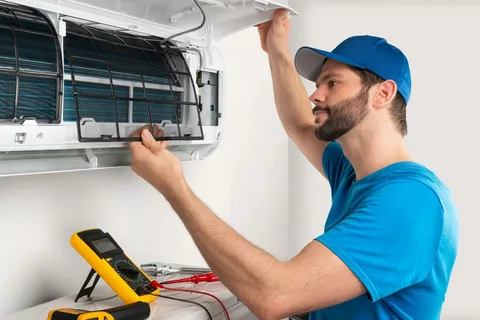
Air conditioning systems play a major role in maintaining indoor comfort, especially during hot summer months when cooling units work continuously to keep homes and businesses comfortable. However, even well-maintained AC systems can develop problems over time due to aging components, electrical failures, refrigerant issues, or regular wear and tear. This is why many homeowners start researching how much AC repair will cost in 2026 when they notice poor cooling performance, unusual noises, rising energy bills, or frequent system breakdowns. At Noblestar Air, our goal is to help homeowners restore their cooling systems with reliable, affordable, and long-lasting repair solutions. We provide professional AC repair, emergency cooling services, system troubleshooting, maintenance solutions, and complete air conditioning repair services designed to improve comfort and efficiency.
In 2026, the cost of AC repair can vary depending on the type of issue, system condition, required replacement parts, and repair complexity. For most homeowners, a typical AC repair can range from $150 to $1,000, while major repairs involving compressors, coils, or refrigerant leaks may cost significantly more. Simple repairs such as thermostat replacement or capacitor repairs are usually more affordable, whereas larger component failures require more labor, advanced diagnostics, and specialized equipment.
Why Is There Such A Wide Price Range?
The final cost of AC repair is not fixed because every cooling system has different problems and repair requirements. It is not a one-price service, but a combination of several important factors that determine the overall expense.
These include:
- The type of AC problem affecting the system
- The age and condition of the air conditioner
- The cost of replacement parts and components
- The complexity of the repair process
- The time required for diagnosis and labor
- The type and model of the AC system
Unlike simple household repairs, AC repair requires technical knowledge, specialized tools, and proper troubleshooting. If an issue is incorrectly diagnosed or repaired, it can lead to repeated breakdowns, reduced efficiency, and higher energy expenses. That is why understanding AC repair costs in 2026 is important before scheduling service. This guide helps homeowners understand common repair pricing, identify cost factors, and make informed decisions about maintaining their cooling systems.
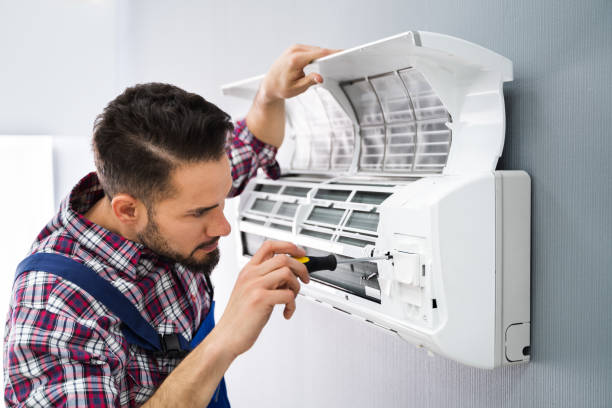
The Key Factors That Decide AC Repair Cost
The average cost of AC repair may look simple, but the actual price depends on many different conditions. Every repair situation is different, so each AC system has its own cost structure based on the type of problem, replacement parts, labor, and repair complexity.
1. Type Of AC Repair Needed
The type of repair you need is the biggest cost factor. It decides both the replacement part price and the amount of labor required to restore your cooling system.
- Thermostat Repair or Replacement: Fixes temperature control issues and inaccurate readings. Average cost: $100 – $500
- Capacitor Replacement: Repairs starting problems and restores power flow to the compressor or fan motor. Average cost: $150 – $400
- Refrigerant Leak Repair: Includes leak detection, repair, and refrigerant recharge. Average cost: $200 – $1,500
- Fan Motor Replacement: Restores proper airflow and cooling performance. Average cost: $300 – $700
- Compressor Repair or Replacement: One of the most expensive AC repairs due to complex labor and parts. Average cost: $1,200 – $3,000+
2. Age And Condition Of Your AC Unit
The age of your AC system directly affects repair costs. Older units usually require more frequent repairs because components wear out over time. Below is a simple guide showing how AC age impacts repair needs and average repair expenses.
| AC Unit Age | Common Repair Issues | Repair Cost Range |
| 0 – 5 Years | Minor electrical issues, thermostat problems | $100 – $500 |
| 5 – 10 Years | Capacitor, fan motor, refrigerant issues | $200 – $1,000 |
| 10 – 15 Years | Coil problems, compressor repairs | $500 – $2,000+ |
| 15+ Years | Major failures and outdated parts | $1,000 – $3,000+ |
Note: Labor and replacement parts can significantly increase the total AC repair cost depending on the issue and system condition.
3. Repair Type And Component Failure
The type of component that needs repair has a major impact on AC repair cost. Some issues require simple part replacements, while others involve expensive components and complex troubleshooting. Major system parts usually increase the overall repair expense because they require more labor and specialized skills.
Electrical Components: Capacitors, contactors, relays, and wiring repairs usually cost less compared to major mechanical failures. Average cost: $150 – $800
Motor Repairs: Fan motor and blower motor problems can affect airflow and cooling performance. Average cost: $300 – $700
Coil Repairs: Evaporator and condenser coil issues require more labor and specialized repair methods. Average cost: $600 – $2,000
Compressor Problems: Compressor repairs are among the most expensive because it is a major AC component. Average cost: $1,200 – $3,000+
4. Condition Of Your AC Components
The condition of your AC components directly affects repair costs. Worn-out parts, corrosion, and regular system stress can increase the amount of work required to restore proper cooling performance.
- Minor Component Replacement: Thermostats, sensors, and small electrical parts usually have lower repair costs. Average cost: $100 – $500
- Refrigerant System Repairs: Leak detection, refrigerant recharge, and damaged connections can increase repair expenses. Average cost: $200 – $1,500
- Aging Components: Older systems may require multiple repairs because several parts can fail at the same time.
- Note: Poor maintenance can significantly increase repair costs by causing additional damage to major AC components.
5. Repair Complexity And Labor
Not all AC repairs are simple fixes. The complexity of the problem directly affects labor time, diagnostic work, and the total repair price. Difficult repairs require advanced tools, technical knowledge, and additional service time.
Accessibility Challenges: AC units installed in difficult locations, tight spaces, or rooftops can increase labor effort and repair time.
Electrical Troubleshooting: Diagnosing wiring problems, circuit boards, or control issues requires professional testing. Average cost: $150 – $800
Emergency Repairs: Same-day and after-hours services usually have higher charges due to urgent scheduling.
Diagnostic Services: Professional AC inspections typically range from $75 – $200.
6. AC Brand And Replacement Parts
AC repair costs can vary depending on the brand and availability of replacement parts. Different manufacturers use different components, technologies, and system designs, which can affect repair difficulty and pricing.
- Budget-Friendly: Goodman, AirQuest, Ameristar – affordable replacement parts with standard repair costs.
- Mid-Range (Value Leaders): Rheem, Ruud, Amana, Heil – reliable systems with balanced repair expenses and good parts availability.
- Premium: Carrier, Trane, Lennox – advanced systems with specialized components that can increase repair costs by 20–40% compared to standard models.
7. Geographic Location And Seasonal Timing
AC repair costs can vary significantly depending on your location and the time of year the service is scheduled. Areas with extreme weather conditions usually have higher demand for HVAC repairs.
- Regional Labor Rates: Major cities with higher living costs often have 20–50% higher HVAC service charges compared to smaller areas.
- Climate Conditions: Hotter regions require longer AC operation, which can increase repair demand and service costs.
- Time Of Year: Peak summer months usually bring higher repair prices due to high demand, while scheduling service during spring or fall may provide faster availability and lower waiting times.
AC Repair Vs. Replacement: Making The Smart Choice
When an air conditioner stops working properly, homeowners often have to decide whether repairing the existing system is better than investing in a replacement. In many cases, a repair is the more practical choice when the unit is relatively new, the problem is limited to a single component, and the overall system is still performing efficiently.
However, older systems with repeated breakdowns may require more careful consideration. If the repair involves a major component or the system has already required several expensive repairs, replacement may provide better long-term value. A professional inspection can help determine whether the current issue can be resolved affordably or whether the system is approaching the end of its useful service life.
The “5,000 Rule”: A Simple, Powerful Formula
When an AC repair estimate seems expensive, the “5,000 Rule” can provide a quick way to evaluate whether continuing with the repair makes financial sense. The calculation is simple: multiply the age of the air conditioning system by the estimated repair cost. If the result is below $5,000, repairing the system is generally considered reasonable. If the number goes above $5,000, homeowners can compare the repair expense with the potential cost of a newer system. This is only a general guideline, so the system’s condition, efficiency, repair history, and type of failure should also be considered.
| AC Unit Age | Repair Quote | Calculation (Age × Repair Cost) | General Direction |
| 5 years | $400 | $2,000 | Repair |
| 7 years | $500 | $3,500 | Repair |
| 9 years | $600 | $5,400 | Replace |
| 12 years | $700 | $4,800 | Repair |
Key Signs Your AC May Need Repair
The 5,000 Rule can help homeowners evaluate repair costs, but recognizing early warning signs can help prevent small AC problems from turning into expensive system failures. Many air conditioning issues become more serious when ignored, leading to reduced efficiency, higher energy bills, and uncomfortable indoor temperatures.
Your AC is blowing warm air, which may indicate problems with refrigerant levels, the compressor, thermostat, or airflow system. Weak airflow from vents can be a sign of clogged filters, blower motor issues, or ductwork problems that prevent proper cooling. Strange noises such as grinding, buzzing, or rattling often point toward worn or damaged internal components that require professional attention. Water leaks around the indoor unit may occur due to clogged drain lines, frozen coils, or other system issues. Rising energy bills can also indicate that your AC is working harder than normal because of declining efficiency or failing parts. Uneven cooling throughout your home may mean there are airflow, sizing, or performance problems affecting the system’s ability to distribute conditioned air properly. Finally, if your AC requires frequent repairs or repeatedly breaks down within a short period, it is usually a sign that the system needs a professional inspection to identify the underlying problem.
AC Repair Decision Checklist
Still unsure whether your air conditioner needs professional repair? Go through this quick checklist. If you answer “Yes” to any of these points, scheduling an AC inspection can help identify the underlying problem.
- Your AC is blowing warm or insufficiently cool air
- Airflow from the vents has become noticeably weaker
- Your system is making unusual sounds
- You notice water around the indoor unit
- The AC frequently turns on and off
- Your electricity bills have increased unexpectedly
- Certain rooms are no longer cooling properly
- The system has stopped turning on
- Your AC requires frequent resets to operate
- You notice unusual smells coming from the system
Why Professional AC Repair Matters
AC repair requires technical expertise, proper diagnostic tools, and advanced system knowledge. Incorrect repairs can lead to repeated breakdowns, reduced efficiency, and higher energy costs. That is why choosing a trusted AC repair company in Dallas, TX is essential for ensuring accurate troubleshooting, reliable solutions, and long-lasting system performance. Professional HVAC technicians identify the actual cause of the problem and make sure the repair is completed correctly to restore your system’s cooling efficiency.
This is especially important because modern air conditioning systems include advanced electrical components, refrigerant systems, sensors, and smart controls that require precise handling. Skilled technicians understand proper diagnostics, refrigerant testing, airflow evaluation, electrical troubleshooting, and component replacement. The focus is always on delivering reliable AC repair services that improve system performance, restore indoor comfort, and help prevent future cooling problems.
Conclusion
The cost of AC repair in 2026 depends on several factors, including the type of problem, system age, replacement parts, labor, refrigerant requirements, and the complexity of the repair. While minor issues may require a relatively small investment, major component failures can cost significantly more. Understanding these factors helps homeowners prepare for repair expenses and make informed decisions about their cooling systems.
At Noblestar Air, we help homeowners identify AC problems and find practical repair solutions based on their system’s condition and cooling needs. Professional diagnosis and timely repairs can restore comfort, improve performance, and help prevent minor issues from becoming more expensive problems.
FAQs
1. How Much Does AC Repair Cost In 2026?
Most AC repairs can range from around $150 to $1,000, depending on the problem, parts required, labor, and system condition. Major repairs involving compressors or coils can cost more.
2. What Factors Affect AC Repair Cost?
AC repair costs depend on the type of problem, system age, replacement parts, refrigerant requirements, labor, accessibility, and the complexity of the repair.
3. How Do I Know If My AC Needs Repair?
Warm air, weak airflow, strange noises, water leaks, frequent cycling, rising energy bills, unusual odors, and uneven cooling are common signs that your system may need professional repair.
4. Is It Better To Repair Or Replace An AC?
Repair is often practical when the system is in good overall condition and the problem is limited to a repairable component. For older systems with frequent or expensive failures, replacement may be worth considering.
5. Can Regular AC Maintenance Reduce Repair Costs?
Yes. Regular maintenance can help identify worn components and developing problems early. Keeping filters, coils, electrical components, and other parts properly maintained can also support reliable system operation.