
If you live in Dallas, TX, you already know how brutal the summers can be. When your air conditioner stops cooling properly, it’s more than just uncomfortable; it can become urgent very quickly.
This is one of the most common HVAC issues homeowners face in Dallas due to extreme heat and constant AC usage.
In this guide, we’ll break down the 7 most common reasons your AC is not cooling in Dallas, TX, and how to fix them before the problem gets worse.
Common Reasons Your AC Is Not Cooling in Dallas, TX
Below are the 7 most frequent causes of AC cooling problems and their practical fixes.
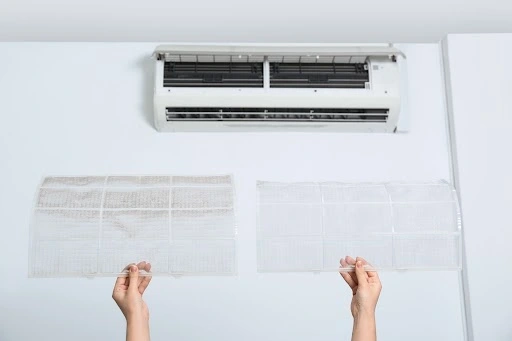
1. Dirty Air Filter (Very Common in Dallas Homes)
Dallas dust, pollen, and constant AC usage can clog filters faster than expected.
Signs:
- Weak airflow from vents
- Hot or uneven cooling
- AC running nonstop
Fix:
Replace your air filter every 30–60 days, especially during peak summer in Dallas.
2. Thermostat Problems
Sometimes your AC is fine, but your thermostat isn’t communicating properly.
Common Issues:
- Wrong settings after a power outage
- Low batteries
- Poor placement near heat sources
Fix:
- Set thermostat to COOL mode
- Set the temperature lower than the room temp
- Replace batteries if needed
3. Refrigerant Leak (Common in Older Dallas Systems)
Extreme Texas heat puts heavy stress on AC systems, leading to refrigerant leaks over time.
Signs:
- AC is blowing warm air
- Ice on refrigerant lines
- Hissing sounds
Fix:
This requires a licensed HVAC technician in Dallas to inspect and repair safely.
4. Dirty Outdoor Condenser Unit
Your outdoor unit in Dallas collects dust, dirt, and debris quickly due to dry weather and wind.
Signs:
- AC is struggling during hot afternoons
- Weak cooling performance
Fix:
- Turn off the power
- Clear debris around the unit
- Gently rinse condenser coils
5. Frozen Evaporator Coils
High heat + restricted airflow = frozen coils.
Signs:
- Ice buildup inside the unit
- No cooling inside the home
- Water leaks after thawing
Fix:
- Turn off the AC immediately
- Replace the air filter
- Let the system thaw fully
6. Leaky Air Ducts (Very Common in Dallas Homes)
Many homes in Dallas, TX, lose cooling through poorly sealed ductwork.
Signs:
- Rooms are not cooling evenly
- High electric bills
- Weak airflow in some vents
Fix:
Professional duct sealing can significantly improve cooling efficiency and reduce energy costs.
7. Aging AC System (Common in Texas Heat)
AC units in Dallas work harder than in most U.S. cities due to extreme summer temperatures.
Signs:
- System older than 10–15 years
- Frequent repairs
- Rising energy bills
Fix:
Consider upgrading to a modern, energy-efficient HVAC system designed for Texas heat.
When to Call an HVAC Technician in Dallas, TX
You should contact a professional if:
- AC is blowing warm air constantly
- You suspect refrigerant issues
- The system keeps cycling on and off
- Cooling is uneven across your home
Delaying AC repairs in Dallas heat can quickly lead to system breakdowns and higher repair costs.
How to Prevent AC Problems in Dallas, TX
Because of extreme summer heat, preventive maintenance is critical.
Best Practices:
- Replace filters regularly
- Schedule yearly HVAC tune-ups
- Clean the outdoor unit every season
- Inspect ductwork for leaks
Regular AC maintenance can extend your AC lifespan and lower energy bills.
Final Thoughts
If your AC is not cooling in Dallas, TX, the issue could range from a simple filter change to a more serious system failure.
Quick diagnosis and maintenance can save you money and keep your home comfortable during extreme Texas heat.
FAQs
- Why is my AC not cooling in Dallas, TX?
Most common reasons include dirty filters, refrigerant leaks, thermostat issues, or clogged condenser coils. - How much does AC repair cost in Dallas?
Typical repairs range from $150 to $1,500+, depending on the issue. - Why does AC struggle more in Texas summers?
Extreme heat forces systems to run longer, increasing wear and reducing efficiency. - How often should AC be serviced in Dallas?
At least once per year, ideally before summer starts.